





Your Top-Tier
IP Litigation Experts.
Over the past three decades, Luthi & Co. has established itself as Israel’s leading IP litigation firm – spearheading the majority of high-profile IP cases in the country. As a trusted and experienced partner, we have earned a sterling reputation for our unparalleled expertise both locally and abroad.
Our Services
We provide top-tier legal services encompassing all areas of
IP litigation and monetization, including patents, designs, copyright, and trademarks.
- IP Litigation & Dispute Resolution
- Cross Border Patent Litigation
- Opposition & Revocation Proceedings
- Patent Term Extension
- Arbitration
- Domain Name
- Regulatory Affairs & Compliance
- IP Licensing, Transactions & Joint Ventures
- Patent Monetization
- Franchising

Our Team


Daniel Lerner
Attorney at Law, Partner

Lin Safadi
Attorney at Law, Associate

Martin Binnes
Attorney at Law, Partner

Motar Pelled
Attorney at Law, Associate

Richard Luthi
Attorney at Law, Partner

Rotem Cohen
Attorney at Law, Senior Associate
Recognition & Rankings
Owing to our unparalleled litigation expertise, Luthi & Co. is consistently being recognized by
leading professional ranking organizations and industry publications around the world.








News & Insights
-

MAY THIS PASSOVER BE A HOLIDAY OF FREEDOM
As we observe Passover this year, it becomes challenging to speak of rejuvenation and bloom, to discuss the essence of spring and the joy it usually brings. This season, the theme of ‘Freedom,’ one of the profound epithets of Passover, resonates with unparalleled significance. This year, it beckons us… -
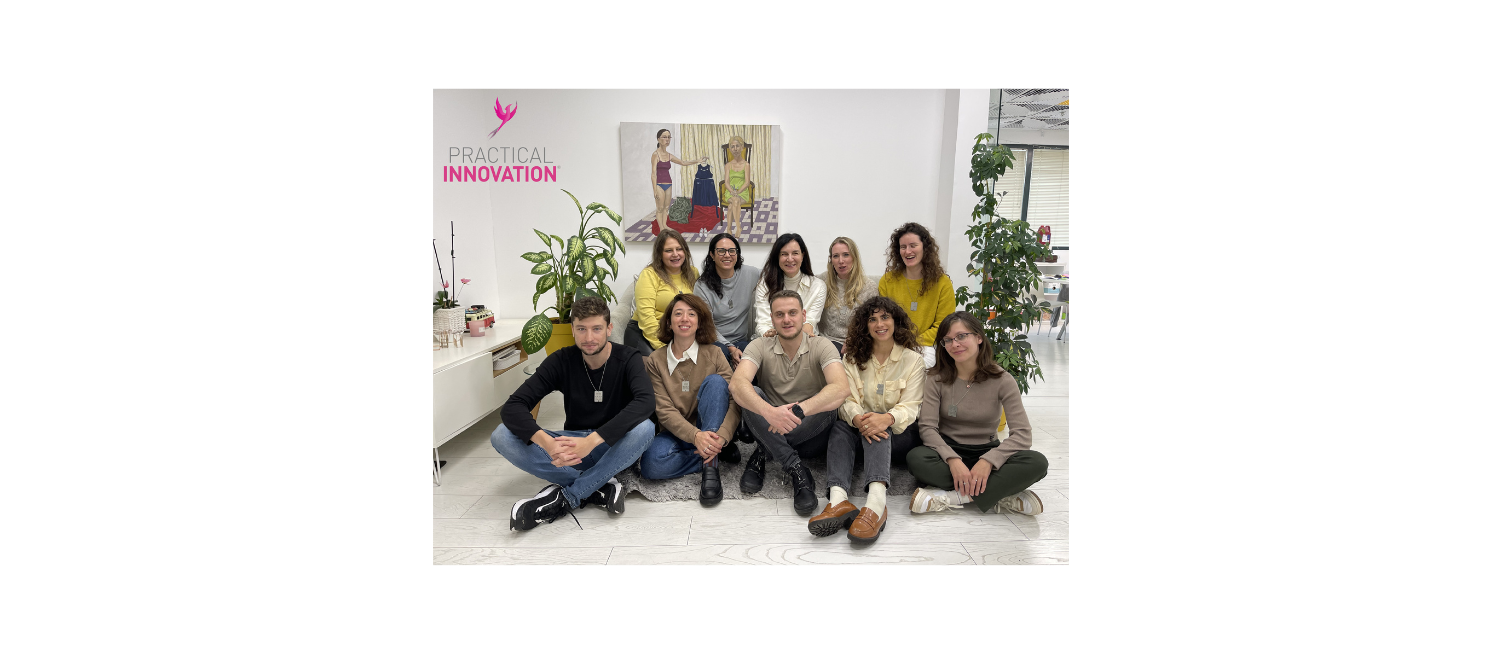
“Practical Innovation” on International Women’s Day 2024
In anticipation of International Women's Day tomorrow, we salute "Practical Innovation." our esteemed client and a leading entity in the realm of Israeli innovation, predominantly managed and operated by women. Tal Leizer, CEO and founder, established the company in 2010 following her tenure as CMO and PDM at notable food companies, including Shemen Industries Ltd. and Soglowek. The inception of Practical Innovation aimed to inject groundbreaking innovation into the product launch process—a challenge many businesses find daunting—thereby fueling a significant growth engine tailored to each business and its unique capabilities. -

Online Brand Protection
Challenges and strategies for protecting trademarks in the digital age - domain name disputes, cybersquatting, and online counterfeiting. Protecting trademarks in the digital age comes with a unique set of challenges due to the global nature of the internet, the proliferation of online platforms, and the speed at which information spreads. In this article, I will discuss the challenges and strategies for safeguarding trademarks in the digital landscape. -
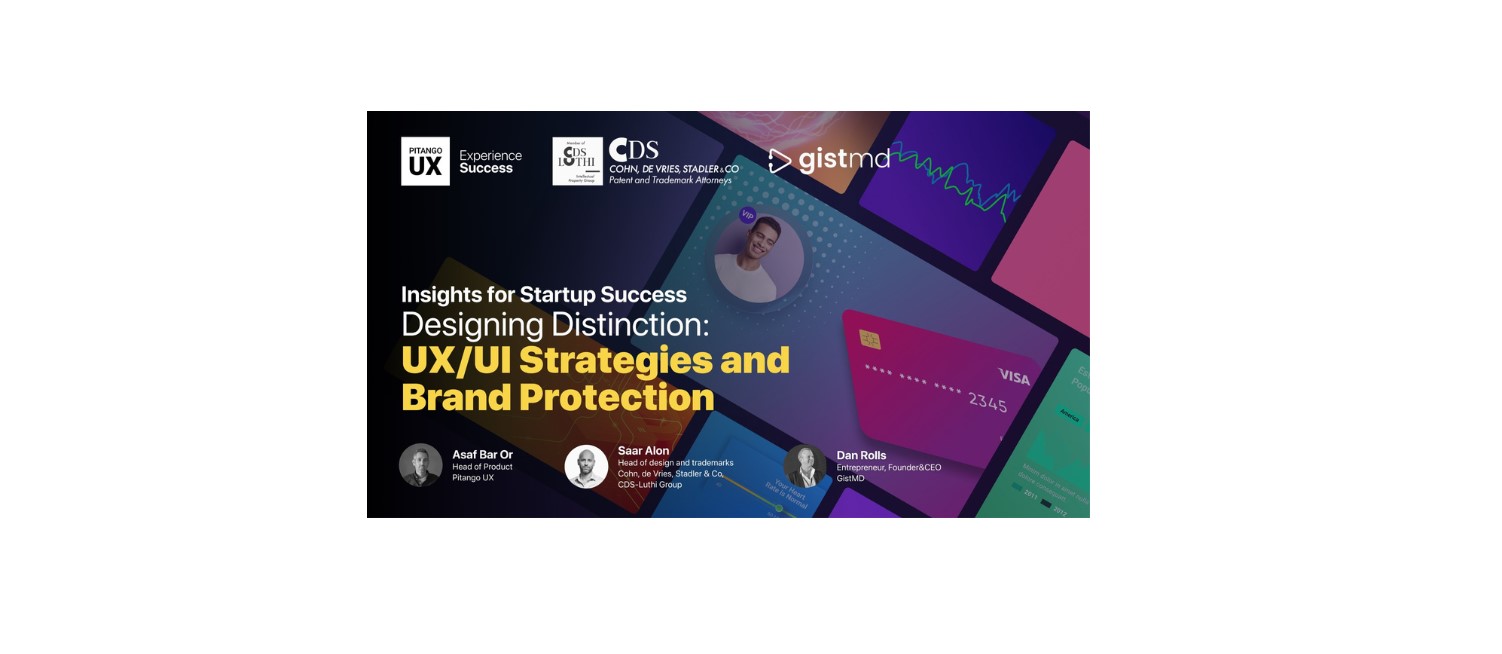
Join Us – “Designing Distinction” – February 21, 2024
Join 'Designing Distinction': Explore entrepreneurship, design, trademark strategies, and UX in fundraising slowdowns. Join us at our forthcoming event, 'Designing Distinction,' where we'll explore the vibrant realms of entrepreneurship, design and trademark strategies, and user experience, especially concerning fundraising challenges during slowdowns. -

Planting one tree for every Intellectual Property milestone
We are thrilled to be a part of this meaningful initiative: planting one tree for every Intellectual Property milestone our clients achieve. It's an incredible feeling to contribute positively to our planet while celebrating our clients' success! -

Israeli Supreme Court: Sanofi Owes Unipharm Restitution for Patent Deception
The Israeli Supreme Court has rendered its important and controversial decision in the Sanofi v. Unipharm case, holding that a Patent Applicant who intentionally deceives the Patent Office in order to obtain a patent, may be liable, under the Israeli law of unjust enrichment, to pay generic competitors who delayed entering the market at risk because of this patent application, restitution of the profits gained at their expense as a result of this deception. -

Navigating Trademarks and Holidays: Can Holiday Names be Registered?
As the year draws to a close, the holiday season brings with it the traditional symbols – from Santa Claus and Christmas trees to menorahs and more. For those immersed in trademark registration, a pertinent question arises: Can holiday names themselves be registered as trademarks, or as part of a trademark? And what about the incorporation of holiday symbols?
